5612 products
5612 products
Sort by:

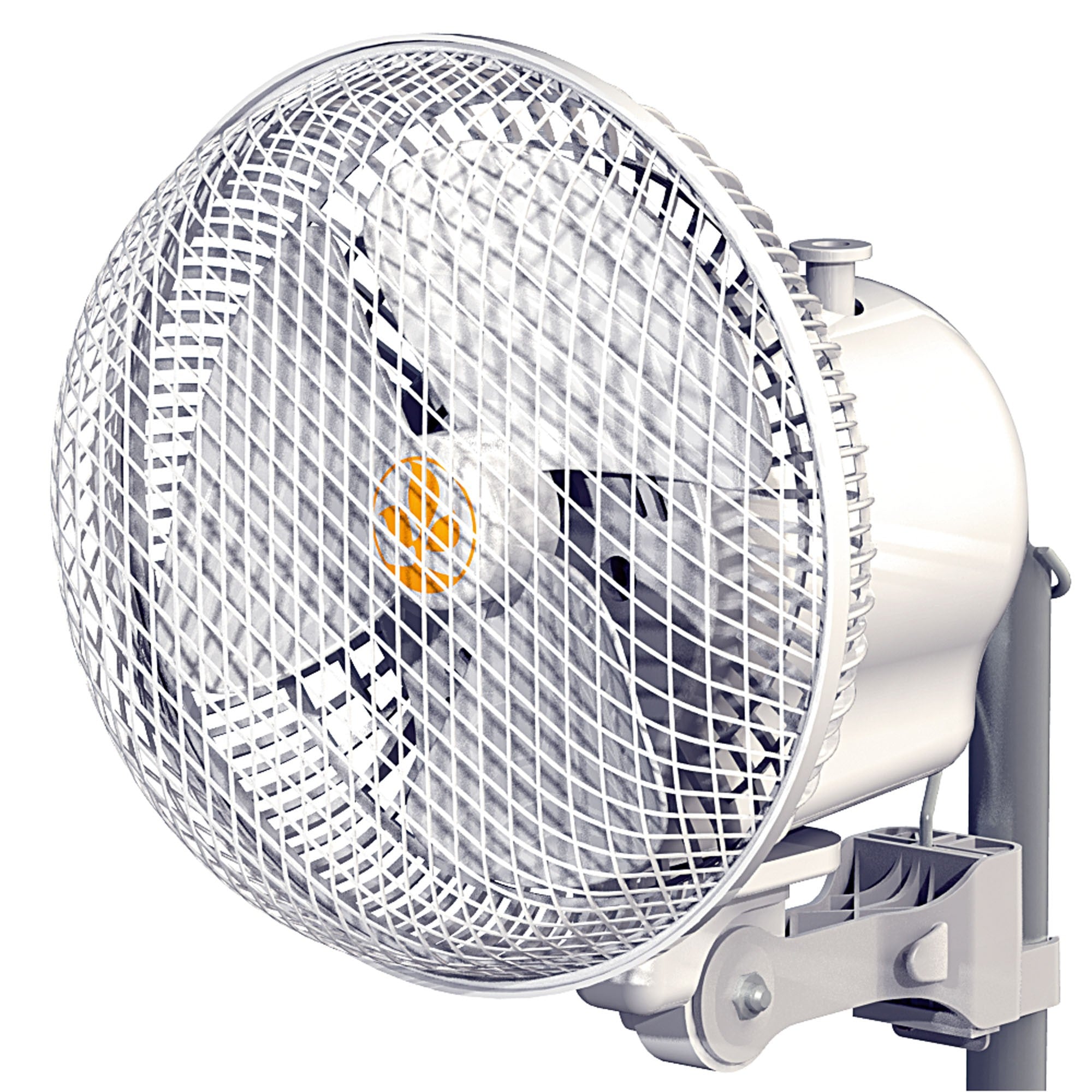
This portable floor fan features 3 adjustable speeds to accommodate a number of temperature requirements ranging from a soft cool breeze, to a high velocity air flow. Despite being a high velocity floor fan, the energy saving motor helps to keep noise to a minimum without reducing the power of the airflow. The portability of the fan allows you to cool hard to reach places that fans that have to be installed can't, such as a ceiling fan. The durable steel U shape stand ensures that the floor fan remains stable and exceptional power is achieved at all times. Features and Benefits • 3 speed fan to accommodate a range of airflow requirements • Energy saving motor with low noise • Metal blade with radial guard • Durable U shape base for improved stability on the floor • Stylish chrome design • Portable and user friendly
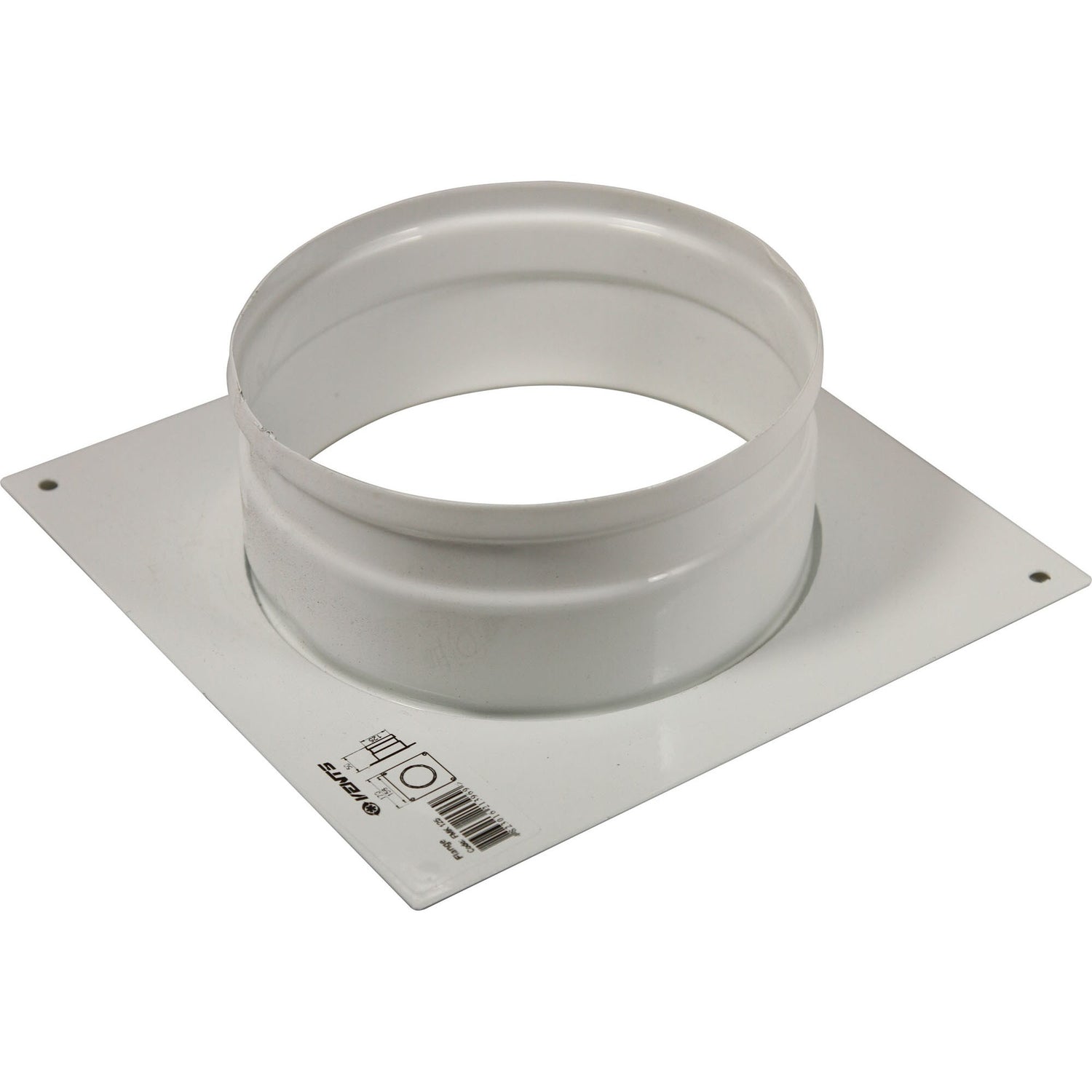
Spigot plate adaptors allow for the creation of a spigot connection onto a normal flat surfacewhether it is horizonal, verticle or angled. These adaptors can be secured by screw, rivet or nut and bolts onto any flat surface. They have a flat square backing with a round spigot for connection to flexible ducting or rigid spiral ducting .
Spigot plate adaptors allow for the creation of a spigot connection onto a normal flat surfacewhether it is horizonal, verticle or angled. These adaptors can be secured by screw, rivet or nut and bolts onto any flat surface. They have a flat square backing with a round spigot for connection to flexible ducting or rigid spiral ducting .
Spigot plate adaptors allow for the creation of a spigot connection onto a normal flat surfacewhether it is horizonal, verticle or angled. These adaptors can be secured by screw, rivet or nut and bolts onto any flat surface. They have a flat square backing with a round spigot for connection to flexible ducting or rigid spiral ducting .
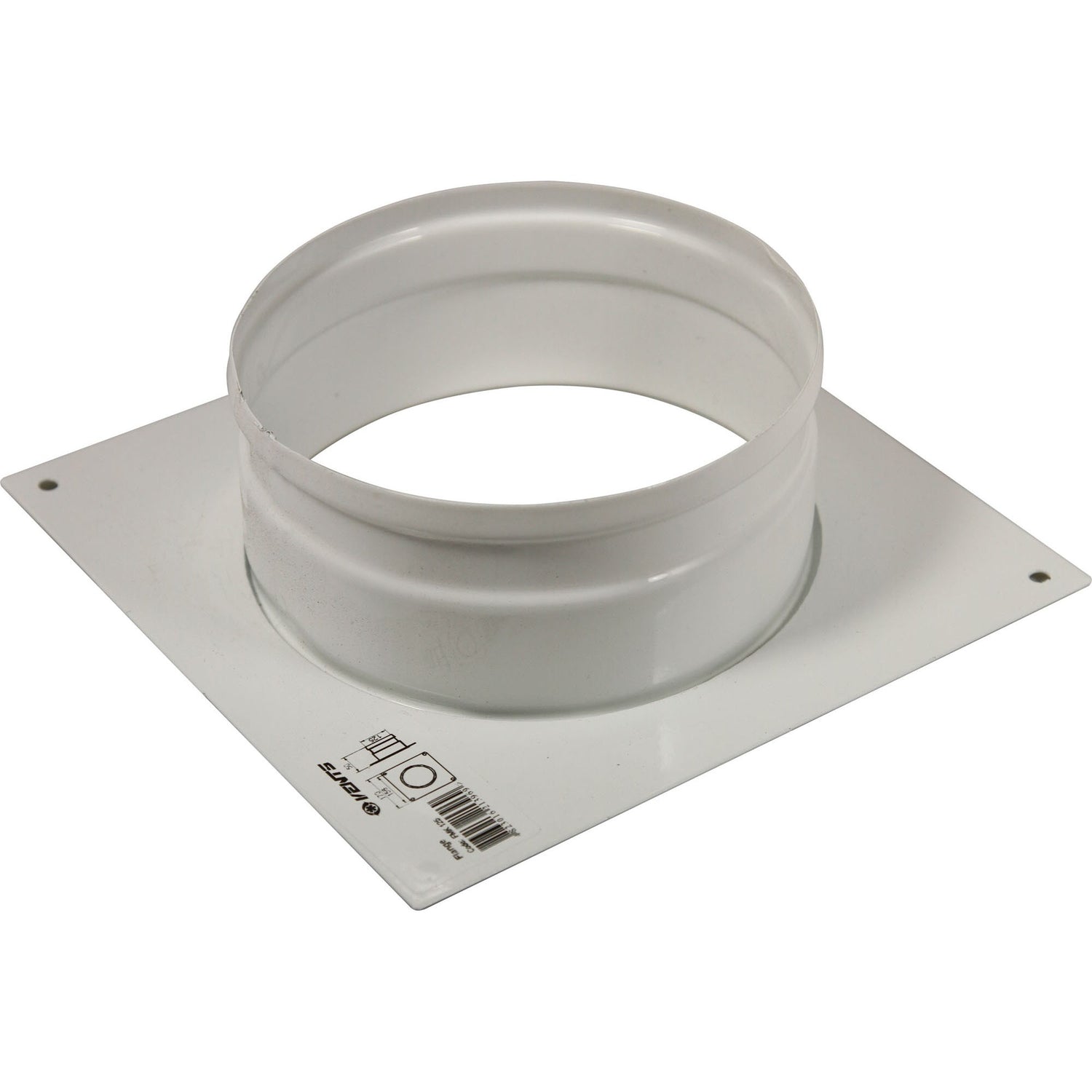
Spigot plate adaptors allow for the creation of a spigot connection onto a normal flat surfacewhether it is horizonal, verticle or angled. These adaptors can be secured by screw, rivet or nut and bolts onto any flat surface. They have a flat square backing with a round spigot for connection to flexible ducting or rigid spiral ducting .
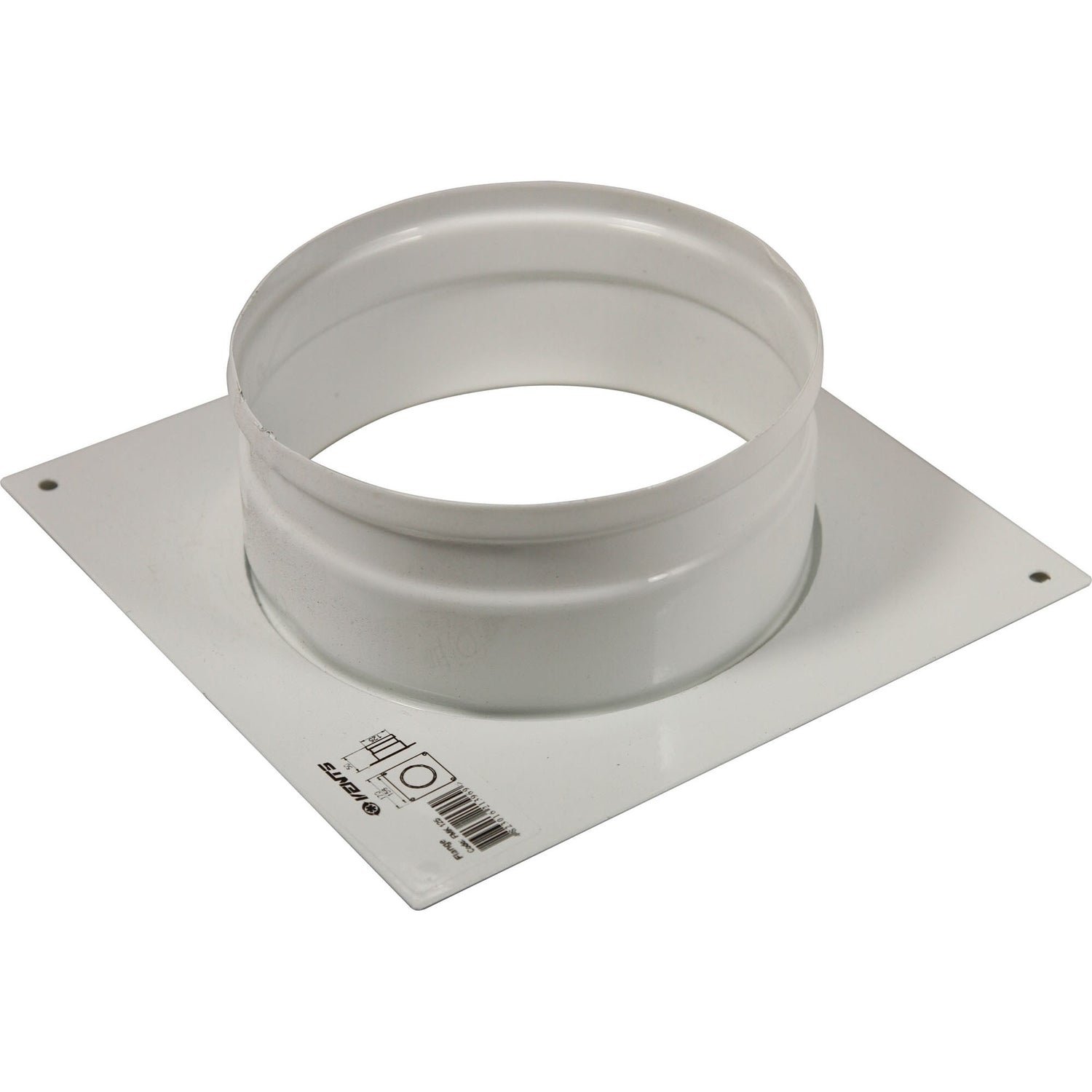
Spigot plate adaptors allow for the creation of a spigot connection onto a normal flat surfacewhether it is horizonal, verticle or angled. These adaptors can be secured by screw, rivet or nut and bolts onto any flat surface. They have a flat square backing with a round spigot for connection to flexible ducting or rigid spiral ducting .
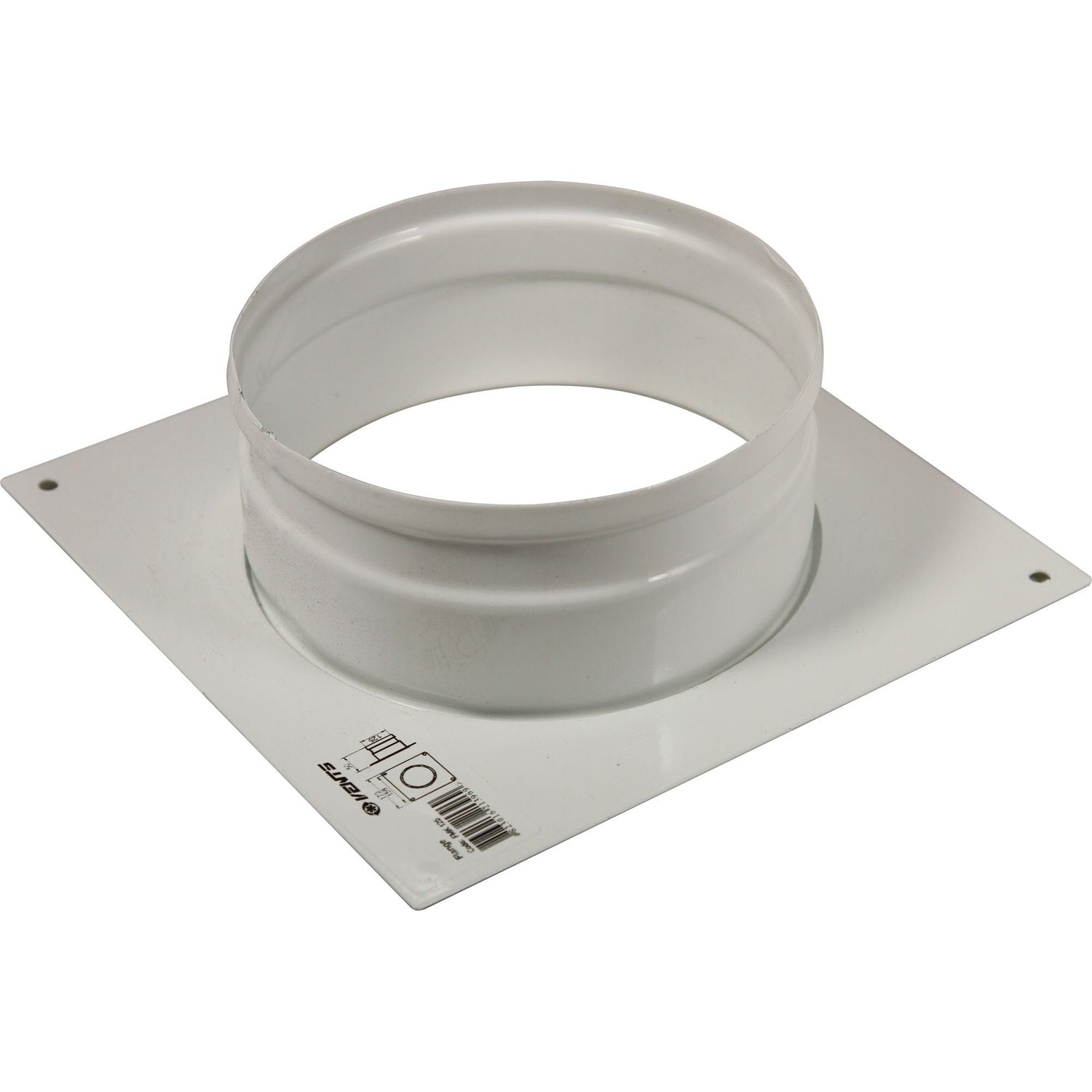
Spigot plate adaptors allow for the creation of a spigot connection onto a normal flat surfacewhether it is horizonal, verticle or angled. These adaptors can be secured by screw, rivet or nut and bolts onto any flat surface. They have a flat square backing with a round spigot for connection to flexible ducting or rigid spiral ducting .

MIICROBIAL MASS
Increases the bioavailability of phosphorus and calcium to the plant through the use of phosphate and calcium-solubilizing bacteria.
Increases the bioavailability of iron through the use of siderophore-producing bacteria.
Promotes good soil health with enzymes that hydrolyse substrate into useful byproducts for the rhizospheric microbial communities.
MIICROBIAL MASS
It was specially developed to maximise plant yield using several bacterial strains that are shown to promote plant growth and enhance microbial life in and around plant roots.
BENEFITS
• Dramatically increases yield
• Improves plant immunity
• Improves stability under stress
THE BENEFIT OF MIICROBIAL MASS AND THE MODE OF ACTION
MIICROBIAL MASS harnesses the power of bacteria from the genus Bacillus to transform both inorganic and organic phosphate to make them more bioavailable so the plant can absorb this much-needed nutrient.
For inorganic phosphorus that is complexed to other minerals, the bacteria release the inorganic phosphorus from this complex by producing organic acids. These acids decrease the pH locally, which in turn solubilises the inorganic phosphorus and therefore it turns into a form that the plant can absorb.
In the case of organic phosphorus that has been immobilised, certain bacterial strains have the power to produce phytase enzymes, which convert the phosphorus into a bioavailable form ready for plant absorption.
MIICROBIAL MASS features two bacterial strains that have the capacity to produce phytases and organic acids to ensure the solubilisation of both organic and inorganic phosphorus.
This product therefore allows the plant to absorb phosphorus, an essential nutrient, for better health and growth throughout multiple stages of its development.

MIICROBIAL MASS
Increases the bioavailability of phosphorus and calcium to the plant through the use of phosphate and calcium-solubilizing bacteria.
Increases the bioavailability of iron through the use of siderophore-producing bacteria.
Promotes good soil health with enzymes that hydrolyse substrate into useful byproducts for the rhizospheric microbial communities.
MIICROBIAL MASS
It was specially developed to maximise plant yield using several bacterial strains that are shown to promote plant growth and enhance microbial life in and around plant roots.
BENEFITS
• Dramatically increases yield
• Improves plant immunity
• Improves stability under stress
THE BENEFIT OF MIICROBIAL MASS AND THE MODE OF ACTION
MIICROBIAL MASS harnesses the power of bacteria from the genus Bacillus to transform both inorganic and organic phosphate to make them more bioavailable so the plant can absorb this much-needed nutrient.
For inorganic phosphorus that is complexed to other minerals, the bacteria release the inorganic phosphorus from this complex by producing organic acids. These acids decrease the pH locally, which in turn solubilises the inorganic phosphorus and therefore it turns into a form that the plant can absorb.
In the case of organic phosphorus that has been immobilised, certain bacterial strains have the power to produce phytase enzymes, which convert the phosphorus into a bioavailable form ready for plant absorption.
MIICROBIAL MASS features two bacterial strains that have the capacity to produce phytases and organic acids to ensure the solubilisation of both organic and inorganic phosphorus.
This product therefore allows the plant to absorb phosphorus, an essential nutrient, for better health and growth throughout multiple stages of its development.

MIICROBIAL MASS
Increases the bioavailability of phosphorus and calcium to the plant through the use of phosphate and calcium-solubilizing bacteria.
Increases the bioavailability of iron through the use of siderophore-producing bacteria.
Promotes good soil health with enzymes that hydrolyse substrate into useful byproducts for the rhizospheric microbial communities.
MIICROBIAL MASS
It was specially developed to maximise plant yield using several bacterial strains that are shown to promote plant growth and enhance microbial life in and around plant roots.
BENEFITS
• Dramatically increases yield
• Improves plant immunity
• Improves stability under stress
THE BENEFIT OF MIICROBIAL MASS AND THE MODE OF ACTION
MIICROBIAL MASS harnesses the power of bacteria from the genus Bacillus to transform both inorganic and organic phosphate to make them more bioavailable so the plant can absorb this much-needed nutrient.
For inorganic phosphorus that is complexed to other minerals, the bacteria release the inorganic phosphorus from this complex by producing organic acids. These acids decrease the pH locally, which in turn solubilises the inorganic phosphorus and therefore it turns into a form that the plant can absorb.
In the case of organic phosphorus that has been immobilised, certain bacterial strains have the power to produce phytase enzymes, which convert the phosphorus into a bioavailable form ready for plant absorption.
MIICROBIAL MASS features two bacterial strains that have the capacity to produce phytases and organic acids to ensure the solubilisation of both organic and inorganic phosphorus.
This product therefore allows the plant to absorb phosphorus, an essential nutrient, for better health and growth throughout multiple stages of its development.